

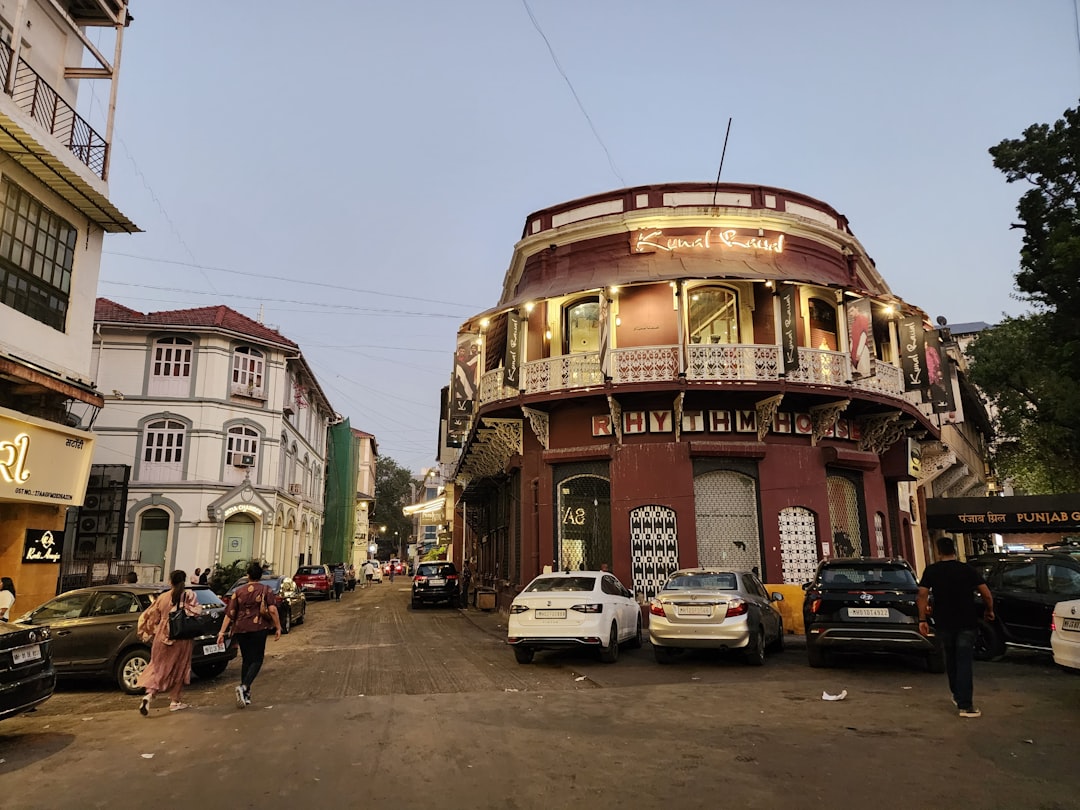

Picture this: I’m completely lost in Mumbai’s chaotic Crawford Market, dodging motorbikes and street vendors, when the most incredible aroma stops me dead in my tracks. Following my nose like a cartoon character, I stumble into a tiny Irani café tucked between spice shops. The elderly owner grins and points to his grandfather’s century-old spice grinder, still churning away in the corner. That single cup of masala chai changed everything I thought I knew about finding the best restaurants in Mumbai India.
Mumbai isn’t just India’s financial capital – it’s a food lover’s paradise where every street corner tells a delicious story. From hole-in-the-wall joints serving ₹20 meals to Michelin-worthy establishments, this city offers flavors that’ll make your taste buds do a Bollywood dance.
Mumbai’s Street Food Royalty: Where Legends Are Born
Street food in Mumbai isn’t just sustenance – it’s religion. These aren’t random food stalls; they’re culinary institutions where generations have perfected recipes passed down like family heirlooms.
The Chowpatty Beach Experience
Chowpatty Beach transforms into a food carnival every evening, and trust me, it’s pure magic. Elco Pani Puri Center has been serving crispy puris since 1945, and watching their pani puri masters work is like performance art.
Vithal Bhelwala, just a short walk away, serves what locals swear is Mumbai’s best bhel puri. I’ve seen office workers in designer suits queue alongside college students – that’s how you know it’s the real deal. The stats are mind-blowing: over 50 street food stalls serve more than 10,000 people daily here.
Here’s a crucial travel tip from someone who learned the hard way: visit between 6 PM and 9 PM for the freshest preparations. Always choose stalls with high turnover – busy equals fresh. And yes, bottled water is your friend, but don’t let that stop you from diving into this incredible hidden gem of Mumbai’s food scene.
Mohammed Ali Road After Sundown
Mohammed Ali Road during Ramadan is budget travel at its finest. For under ₹200 ($2.50), you can feast like royalty on some of the most authentic Mughlai food outside of Delhi.
The hidden gem here is Minara Masjid’s kebab row – tiny stalls that look unassuming but serve kebabs that’ll spoil you for life. I’ve found that the best approach is to follow the longest queue of locals. They know things we tourists are still figuring out.
A quick etiquette note for fellow travelers: respect the cultural significance, especially during religious periods. Dress modestly, and don’t be surprised if meals pause for prayer times – it’s part of the authentic experience that makes this place so special.
Heritage Dining: Restaurants That Tell Mumbai’s Story
Mumbai’s heritage restaurants aren’t just places to eat – they’re time machines. These establishments have witnessed the city’s transformation from colonial Bombay to modern Mumbai, and their recipes carry stories you won’t find in any guidebook.
Parsi Cafés and Their Timeless Charm
Britannia & Co. isn’t just a restaurant; it’s a living museum. The 96-year-old owner, Boman Kohinoor, still greets guests personally, and his berry pulao is legendary for good reason. The Iranian berries imported specifically for this dish create a sweet-savory combination that’s unlike anything you’ll taste elsewhere.
Yazdani Bakery, operating since 1953, feels like stepping into a black-and-white photograph. Their Irani chai and brun maska (butter bread) breakfast has fueled Mumbai’s dreams for decades. In my experience, these cafés serve as informal community centers where business deals happen over tea and friendships span generations.
What makes each unique goes beyond food – it’s the handwritten menus, the vintage furniture, and conversations between tables that make strangers feel like family. This is travel review gold: authentic experiences money can’t manufacture.
The Irani Café Trail
Kyani & Co. and Olympia Coffee House represent Mumbai’s fascinating Iranian immigrant heritage. These cafés emerged in the early 20th century when Iranian immigrants brought their café culture to India, creating something entirely new.
At Kyani & Co., the mawa cakes are baked using the same recipe from 1904. Olympia Coffee House maintains its art deco interiors and serves Irani tea in traditional glasses. These aren’t just budget-friendly options – they’re cultural experiences that connect you to Mumbai’s multicultural soul.
The beauty of the Irani café trail is its accessibility. Most dishes cost under ₹100, making it perfect for budget travel while offering authentic atmosphere that expensive hotels often try to recreate artificially.
Fine Dining Meets Regional Flavors: Mumbai’s Upscale Food Scene
Mumbai’s fine dining scene isn’t about copying Western concepts – it’s about elevating Indian regional cuisines to art form status. These restaurants prove that sophisticated doesn’t mean abandoning authenticity.
Coastal Cuisine Specialists
Trishna revolutionized how the world sees Indian seafood. Chef Sujan Sarkar’s approach combines traditional Maharashtrian coastal techniques with contemporary presentation. Their koliwada prawns aren’t just food – they’re edible poetry that captures Mumbai’s fishing village heritage.
What makes Mumbai’s seafood scene globally unique is its direct connection to the Arabian Sea. Restaurants source fish from the same Koli fishing communities that have fed this city for centuries. It’s this authenticity that sets Mumbai apart from landlocked cities trying to recreate coastal flavors.
Travel tip: reservations are essential, especially for dinner. Lunch offers the same quality with more availability and slightly lower prices. Expect to spend ₹2,000-3,000 per person, but remember – this is an experience, not just a meal.
North Indian Fine Dining Done Right
Indian Accent brings Delhi’s legendary flavors to Mumbai with a sophisticated twist. Their blue cheese naan and pork ribs with Nagaland black sesame might sound unconventional, but they represent modern India’s culinary evolution.
Khyber Restaurant, with its rustic Afghan-inspired décor and robust North-West Frontier cuisine, offers a different kind of sophistication. Their raan (leg of lamb) requires 24-hour notice but delivers an experience that justifies the wait and the premium pricing.
These establishments prove that things to do in Mumbai extend far beyond sightseeing – the city’s dining scene is a destination in itself.
Mumbai’s food landscape reflects everything beautiful about India – diversity, tradition, innovation, and the beautiful chaos that somehow creates perfect harmony. Whether you’re savoring ₹20 street food or splurging on ₹3,000 tasting menus, every meal tells a story of this incredible city’s past, present, and future.
From my countless food adventures here, I’ve learned that the best restaurants in Mumbai aren’t always the most expensive or Instagram-worthy – they’re the ones where food connects you to the city’s heart. What’s your most memorable meal in Mumbai, and what story did it tell you about this incredible city?