

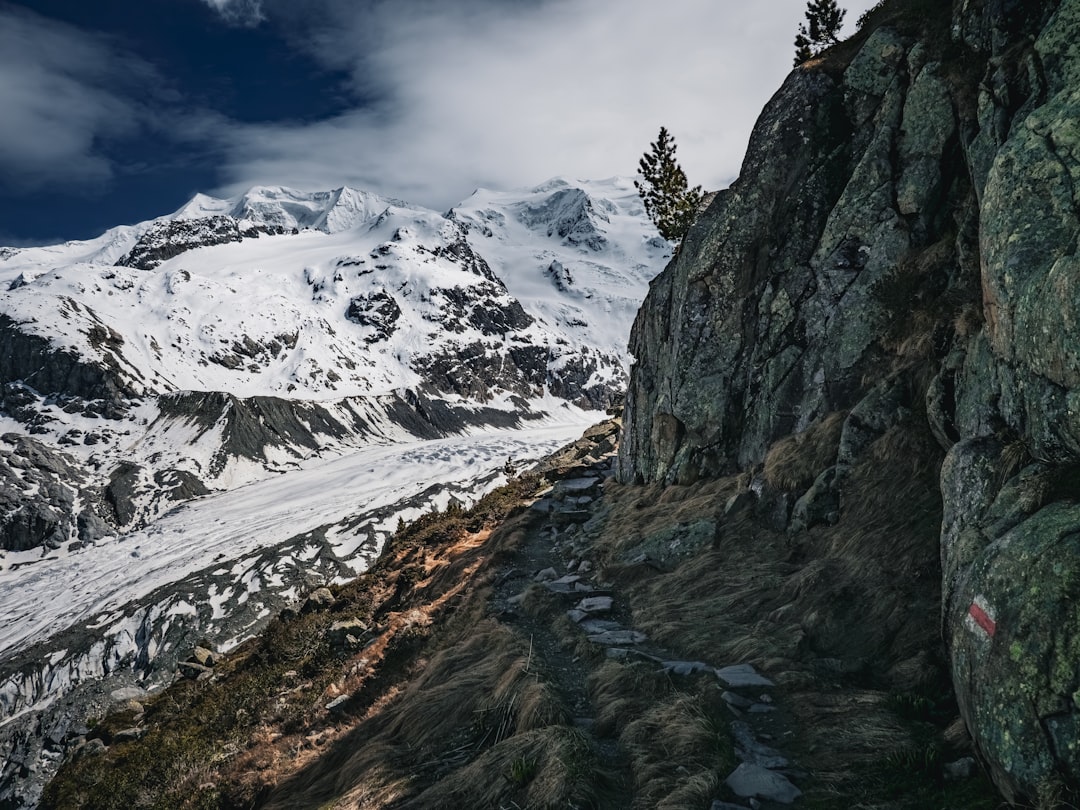

Picture this: You’re standing at 3,000 meters above sea level on the Matterhorn trail at sunrise, watching the alpenglow paint the jagged peaks golden while distant cowbells chime in the valley below. The crisp mountain air fills your lungs, and you realize you’re experiencing something truly magical. Here’s what blew my mind – Switzerland has over 65,000 kilometers of marked swiss alps hiking trails, more than any other country in the world. That’s enough trail to circle the Earth one and a half times!
After spending three summers exploring these incredible mountains, I can tell you that the Swiss Alps offer some of the most breathtaking hiking experiences on the planet. Whether you’re a weekend warrior or a seasoned trekker, there’s a trail here that’ll challenge and inspire you.
Planning Your Swiss Alps Adventure: When to Go and What to Expect
Timing your trip can make or break your alpine experience. I’ve hiked here in both peak season chaos and shoulder season bliss, and trust me – the difference is night and day.
Peak Season vs. Shoulder Season: Finding Your Sweet Spot
Peak season (July-August) brings guaranteed clear trails but also means you’ll be sharing viewpoints with half of Europe. Trail temperatures hover around 15-20°C at mid-elevation, perfect hiking weather. But hotel prices in places like Zermatt can hit 400 CHF per night, and popular trails like the Eiger Trail feel like hiking highways.
Shoulder season (June and September-October) is where I’ve found the magic happens. You’ll get 70% fewer crowds, 30% lower accommodation costs, and those crisp mornings where frost sparkles on alpine flowers. Just pack layers – mountain weather changes faster than Swiss train schedules.
Gear Essentials That Actually Matter
Forget the marketing hype about high-tech everything. Here’s what I actually use after countless kilometers: waterproof shell (weather changes in minutes up there), sturdy hiking boots with ankle support, and a good headlamp for early alpine starts. The one splurge worth making? Quality hiking poles – they’ll save your knees on those steep descents.
Swiss mountain rescue isn’t free if you need it, so grab travel insurance that covers mountain activities. Learn this the hard way, you don’t want to.
The Crown Jewels: Must-Hike Swiss Alps Hiking Trails for Every Level
These trails showcase exactly why Switzerland’s hiking reputation is legendary. Each one offers something unique, from easy lake loops to multi-day epics.
Beginner-Friendly Trails That Don’t Skimp on Views
The Lake Oeschinen loop near Kandersteg is pure magic for beginners. This 3.5-hour circuit takes you around a turquoise alpine lake with the Blüemlisalp massif reflected in the water. The trail’s well-maintained, and there’s a cable car option if your legs give out.
Another gem is the Grindelwald to Kleine Scheidegg route. You’ll hike directly beneath the north face of the Eiger – that’s the wall that’s claimed so many climbers’ lives. The trail itself is gentle, but the views are anything but ordinary. On clear days, you can see the Mönch and Jungfrau peaks towering above.
Advanced Adventures for Seasoned Hikers
The Tour du Mont Blanc’s Swiss sections will test everything you’ve got. The Champex to Trient stage includes the notorious Fenêtre d’Arpette pass – a knee-busting 2,665-meter crossing that’ll leave you questioning your life choices and then completely in awe.
For the ultimate challenge, tackle portions of the Haute Route from Chamonix to Zermatt. The Cab de Prafleuri to Cab des Dix section crosses three passes in one day. It’s brutal, beautiful, and absolutely unforgettable.
Hidden Gems: Secret Trails and Local Favorites
These are the trails that most tourists miss, but locals cherish. I’ve spent years hunting down these hidden gems, and they’ve given me some of my most treasured alpine memories.
The Verzasca Valley trails in Ticino feel like hiking through a different country entirely. Mediterranean vegetation meets alpine drama, and the emerald river pools are perfect for post-hike swimming. The trail from Lavertezzo to Brione is particularly stunning, following ancient stone paths through chestnut forests.
In eastern Switzerland, the Via Engiadina offers 23 stages of pure bliss through the Engadin Valley. Most hikers only tackle the famous sections, but I recommend the Guarda to Ardez stretch – traditional Engadin houses, wildflower meadows, and views across to Austria.
Near Appenzell, seek out the shepherd paths above Seealpsee. GPS coordinates: 47.2739°N, 9.4108°E. These unmarked trails require navigation skills, but they lead to secret viewpoints overlooking the entire region.
Where to Rest Your Hiking Boots: Best Hotels and Mountain Huts
After days on the trail, where you collapse matters. I’ve stayed everywhere from luxury spa hotels to basic mountain refuges, and both have their place in a perfect hiking trip.
Luxury Mountain Hotels That Hikers Actually Love
Hotel Villa Honegg in Ennetbürgli wins my vote for best post-hike luxury. Their infinity pool overlooks Lake Lucerne, and they offer guided hikes with local naturalists. Expect to pay around 800 CHF per night, but the spa treatments will resurrect your tired legs.
The Chedi Andermatt combines modern luxury with serious mountain credentials. Their concierge team includes certified mountain guides, and they’ll arrange everything from helicopter transfers to technical gear rentals. It’s not cheap at 600+ CHF nightly, but it’s hiking luxury done right.
Mountain Huts and Budget-Friendly Options
SAC mountain huts are Switzerland’s best-kept budget secret. Cabane de Moiry sits at 2,825 meters with spectacular views of the Moiry Glacier. A dorm bed costs just 45 CHF, and the hearty mountain meals fuel serious hiking days.
In valley towns, hostels offer excellent value. Backpackers Villa Sonnenhof in Interlaken provides clean beds for around 35 CHF and serves as perfect base camp for Jungfrau region adventures.
Beyond the Trail: Things to Do and Cultural Experiences
The best hiking trips blend outdoor adventure with authentic cultural experiences. Switzerland’s alpine culture runs deep, and there are countless ways to dive in.
Visit working alpine farms during summer months. Many offer fresh cheese tastings and demonstrate traditional Alpine farming methods. The Aletsch region has several family-run operations that welcome hikers.
Time your visit for local festivals – the Alpabzug cattle drives in September are spectacular, with decorated cows parading through mountain villages. It’s authentic Switzerland at its finest.
Don’t miss the cogwheel trains that access remote trailheads. The Gornergrat Railway to Zermatt and the Jungfraujoch railway are engineering marvels that transform into your hiking shuttle service.
The Swiss Alps have completely changed how I think about mountain hiking. Every trail tells a story, every peak holds a challenge, and every sunrise feels like a personal gift. These mountains will push your limits, reward your efforts, and leave you planning your next visit before you’ve even headed home.
What’s your most memorable mountain hiking experience, and which Swiss trail is calling your name next?